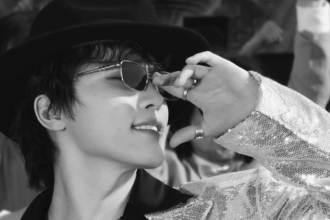




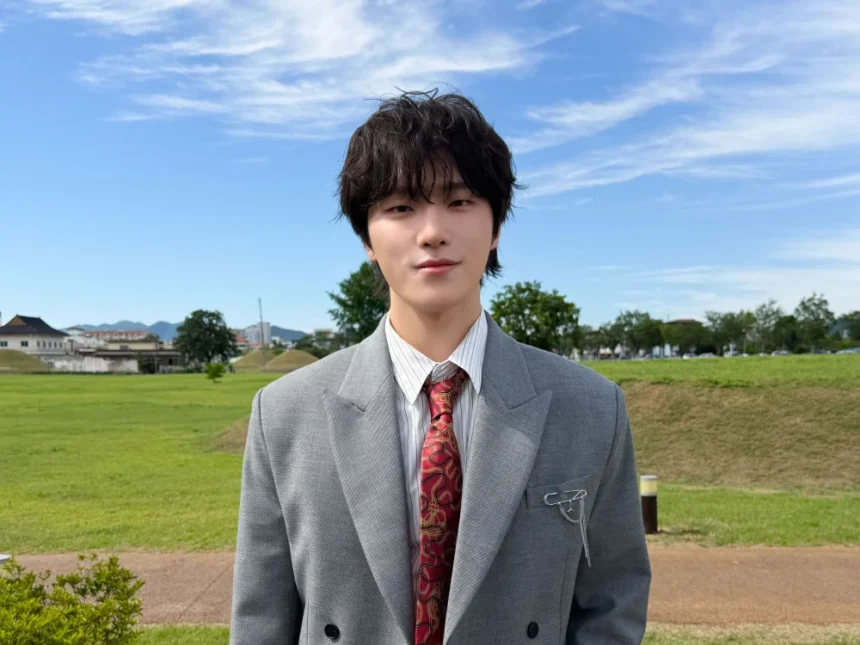
DINO has spent over a decade being introduced the same way: SEVENTEEN’s maknae, the group’s youngest member and one of its most reliable stage performers. On August 3, 2026, he stepped out from under that title and introduced the world to someone new. Meet Picheolin.
This isn’t a stage name so much as a full reinvention. Branded ahead of release as the “Herald of Heung” — a nod to the distinctly Korean sense of communal joy and festive energy — Picheolin arrives with his own mini album, 吉BOARD, pronounced “Gilboard.” The title is a pun, fusing the Chinese character 吉 (meaning good fortune) with the English word “board” to resurrect the name of the underground cassette-chart culture that tracked Korea’s unofficial street hits back in the 1990s. It’s Picheolin’s way of arguing the sidewalk deserves its own spotlight.
DINO didn’t just lend his face to the project. He had a hand in writing and composing all seven tracks, working alongside SEVENTEEN’s longtime collaborator BUMZU. Reflecting on the process, DINO explained that he wanted to weave Korea’s retro musical DNA together with a wider emotional range than his main-group work usually calls for, using the Picheolin persona to deliver “comforting, relatable messages” to listeners worn down by their daily routines.
That range shows up across the full tracklist:
The title track, “놀아보세” — released internationally as “Party Rock Rock” — was produced by Hitchhiker, who sampled elements of his own earlier hit “$10” to build a sleek EDM trap foundation. The song leans hard into heung, inviting listeners of every generation into what the album calls a “nanjang,” essentially a joyful, unruly street party. It’s the loudest, brightest expression of what Picheolin is meant to represent.
The rest of the record fills in the emotional edges around that party-starter energy. “짠 (Zzan)” pairs brass riffs with a heavy hip-hop beat for a toast-worthy opener, while “정말” brings in Hyundo Lee of the pioneering hip-hop duo DEUX, linking Picheolin’s retro concept directly to a first-generation legend. The pre-release singles told two very different stories ahead of the full drop: “Love Sick,” a city-pop-leaning track narrated by veteran vocalist Lee Moon-se, and “미쳐 미쳐,” a more manic, high-energy cut that previewed the album’s chaotic streak. “정으로 사랑으로” slows things down with a nostalgic, acoustic-driven melody, before the hidden closer “LIKE IT” strips the persona away entirely, crediting the song to DINO himself as a quieter, more sincere goodbye.
Reaction to the title track has been mixed. At least one K-pop review outlet noted the song echoes the thumping, over-the-top spirit of a certain 2012 viral hit, calling the chorus more chaotic than catchy — though the high-energy verses still landed well with listeners.
The physical release leans fully into the album’s retro identity, arriving in four separate formats: Magazine, Jewel Case, Cassette Tape, and USB. Each one is designed to feel like an artifact pulled straight out of the era the album is referencing.
Picheolin isn’t disappearing after release week, either. DINO will carry the character into a live setting with the “DINO X Picheolin Fan Concert,” running August 21 through 23 in Seoul, extending the rollout well past the album’s debut.
For an idol who’s spent his entire career as part of a thirteen-member group, 吉BOARD is a rare chance to see what DINO sounds like completely on his own terms — even if he had to invent an entirely new name to get there.