




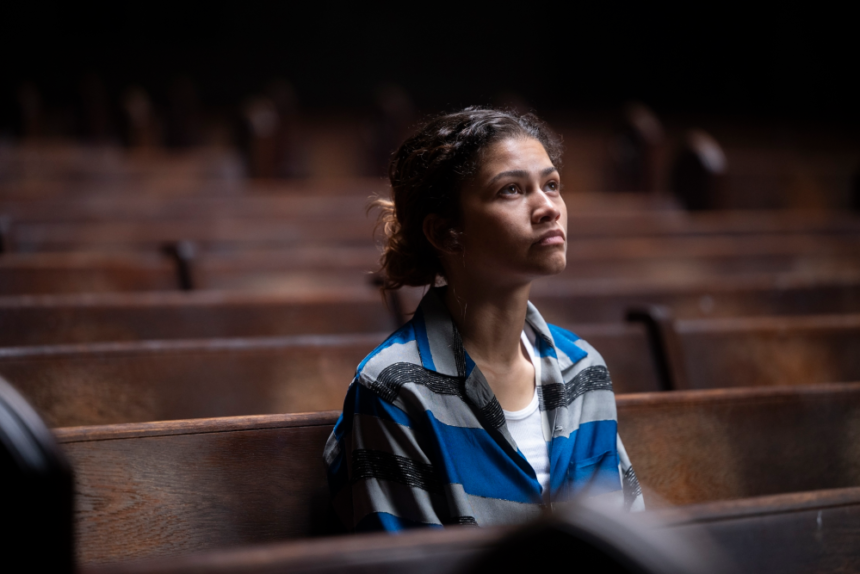
The HBO series finale drew 8.7 million viewers in three days, with Season 3 averaging 25 million across platforms — a 17% jump from Season 2. But the real story is what comes after.
There’s a particular kind of grief that comes with the end of a show that helped raise you.
Euphoria premiered in 2019 and immediately cleaved television into before and after. Sam Levinson’s operatic, formally adventurous portrait of teenage addiction, desire, and chaos became the defining cultural text of a specific Gen Z experience — messy, gorgeous, unresolved. It made Zendaya a genuine superstar and launched Sydney Sweeney, Jacob Elordi, and a handful of others into a different orbit entirely.
Season 3 was a long time coming. The production delays were brutal and public — years of COVID, years of scheduling, years of wondering if HBO would actually pull it together. They did. And the audience showed up.
The series finale, titled “In God We Trust,” aired Sunday night and drew 8.7 million viewers across HBO and Max in its first three days — a 2% increase over the Season 3 premiere, which itself had surged 44% over the Season 2 premiere back in early 2022. When you average out the full season’s multiplatform performance, it clocked 25 million viewers, a 17% increase from where Season 2 landed in the same window.
For context: that’s not a struggling prestige property limping to the finish line. That’s a show that grew its audience through a three-year gap, then delivered.
Warner Bros. Discovery didn’t release weekly episode-by-episode figures during the run, which is a choice networks make when they want to manage narrative. But the bookend numbers — the 8.5 million for the premiere and the 8.7 million for the finale — tell a coherent story. The audience that came in stayed. They held on through the controversy, through the discourse, through every think piece about whether the show had lost its way.
It hadn’t.
The 25 million average places Season 3 in a different tier than most HBO prestige output. For comparison, The White Lotus and Succession finales generated enormous conversation but launched from narrower bases. Euphoria had built something more unusual: a genuinely mass young audience for a cable-premium experience. That’s not a given. That’s years of platform investment and one of the most magnetic performers on television.
Zendaya’s Rue Bennett was always the moral center — or the moral void — depending on where you were watching from. How the writers chose to end her story will be dissected for years.
The question now is what HBO does next with its Sunday prestige slot. Euphoria wasn’t just a ratings vehicle. It was a cultural signal. Replacing that energy isn’t a scheduling decision; it’s an identity one.
Sharon Stone and Keke Palmer, speaking to Variety recently, argued the show should be required high school viewing. Which is a sentence that tells you everything about what Euphoria managed to become — simultaneously too adult and somehow exactly right for the people watching it.