




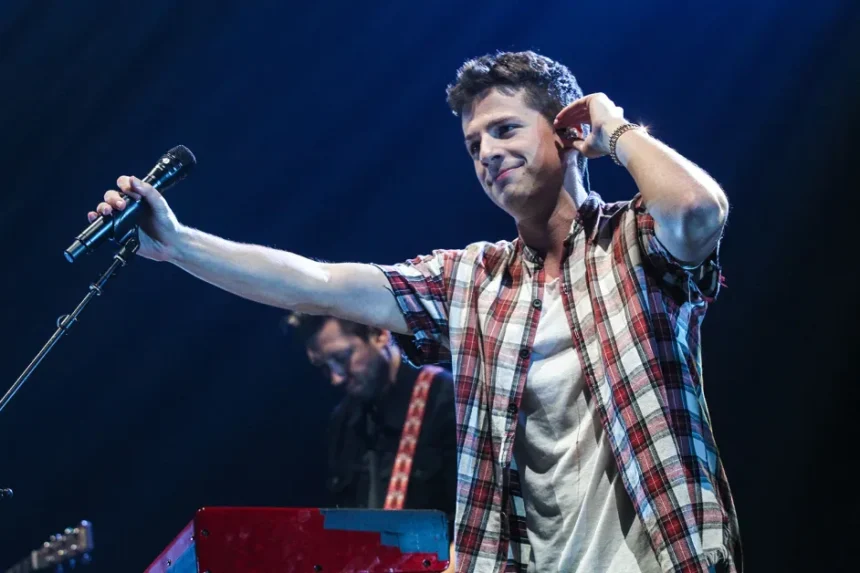
Charlie Puth spent the better part of Tuesday getting from New Jersey into Manhattan, a trip that apparently took longer than expected. By the time he walked into The Mulberry in SoHo that night, sister Mikaela Puth in tow, the singer was in good spirits anyway, working the room at an intimate dinner thrown in his honor. The occasion: Lucky Brand had just named him its newest brand ambassador, and the denim label wanted to celebrate properly.
It’s an unusual pairing on paper — a Grammy-nominated pop hitmaker fronting a decades-old American denim company — but both sides are framing it as a natural fit rather than a marketing stunt. Lucky Brand confirmed the partnership earlier in the week, positioning Puth as the face of a campaign that will roll out across retail stores, social platforms, and the brand’s online presence in the coming months.
For Lucky Brand, the move is part of a broader push to reconnect with music culture, an identity the label says has shaped it for more than 30 years. Marisa Thalberg, chief marketing officer of Catalyst Brands, the operating company behind Lucky Brand, explained that the company built its early reputation on band tees, festival pop-ups, and curated music mixes sold in stores. This new chapter, she said, is meant to go further than merchandise, spotlighting artists directly while showcasing new and archival denim fits in a crowded market. Of Puth specifically, Thalberg said, “Charlie embodies that spirit in a way that feels effortless.”
Puth, for his part, has described the deal as less about luck and more about persistence. Lucky Brand’s “Make Your Own Luck” ethos, he said, mirrors how he has approached his own career, and “it’s not just about fashion, it’s about a mindset.” He’s spoken about trusting instincts over waiting for ideal timing, a philosophy that has quietly defined more than a decade of hits, pivots, and creative risks.
That career context matters here. Puth broke through in 2015 with “Marvin Gaye,” a duet with Meghan Trainor, before stacking up a run of songs that became inescapable on pop radio: “We Don’t Talk Anymore,” “Attention,” “One Call Away,” and “See You Again,” his tribute to Paul Walker that spent months atop the charts. He built a reputation not just as a vocalist but as a producer with a distinct ear, someone equally comfortable writing hits for himself and for other artists.
This year, he released his fourth studio album, a nostalgia-leaning pop record pulling from 80s and 90s influences, and has spent much of 2026 on a global arena tour in support of it, one of the largest productions of his career so far. Signing with Lucky Brand mid-tour says something about how artists now build their public image: less as a single-lane music career, and more as an ongoing brand story that stretches across fashion, film, and lifestyle. Puth’s deal follows a familiar playbook, one where musicians lend more than their voice to a brand — they lend an entire persona shaped over years in the public eye.
The partnership was teased months earlier through a short film tied to a magazine cover story, giving fans an early look before the official announcement. That rollout style, low-key and story-driven rather than a flashy single reveal, fits the tone both sides seem to want: understated, a little wry, built on personality rather than spectacle.
For Lucky Brand, landing an ambassador with Puth’s crossover appeal is a calculated bet in a denim market where distinctiveness is currency. Legacy labels are increasingly leaning on cultural figures who can pull double duty — driving both retail foot traffic and social relevance — rather than traditional celebrity endorsements that feel bolted on. Puth’s blend of self-deprecating humor, musical pedigree, and a fairly grounded public persona gives the brand a face that reads as authentic rather than manufactured.
What happens next will likely play out gradually rather than all at once. Campaign imagery and social content are expected to roll out over the coming weeks, timed loosely around Puth’s ongoing tour schedule, which continues into the fall. Whether the partnership meaningfully shifts how audiences see Lucky Brand remains to be seen, but for now, it’s a low-drama pairing that both sides seem genuinely invested in — a mindset, as Puth put it, more than a marketing line.