




K-pop has stopped being a genre and started being an infrastructure. Scroll through any social feed this week and the evidence is everywhere: solo idols selling out intimate rooms across North America, girl-group members teasing singles with cinematic visuals shot like short films, and street style in cities as far away as Ho Chi Minh City visibly borrowing silhouettes and color palettes from the latest comeback. What’s striking isn’t just the music’s popularity, it’s how thoroughly the K-pop machine has folded fashion, film language, and fan participation into a single rollout strategy.
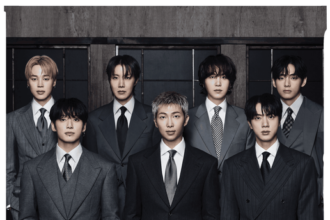
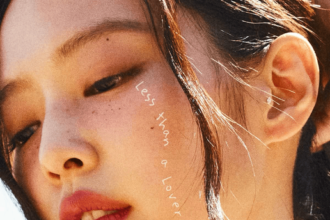
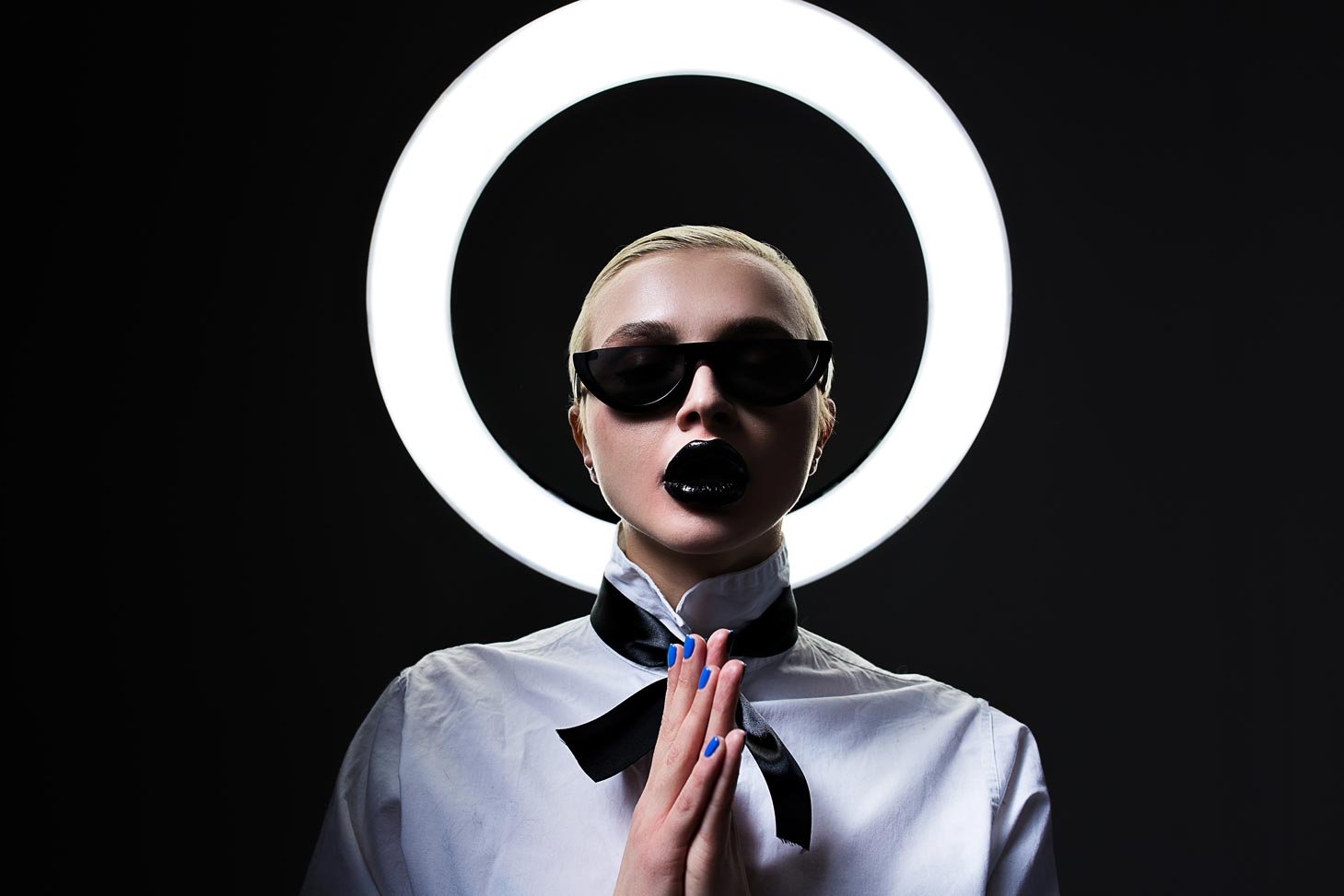
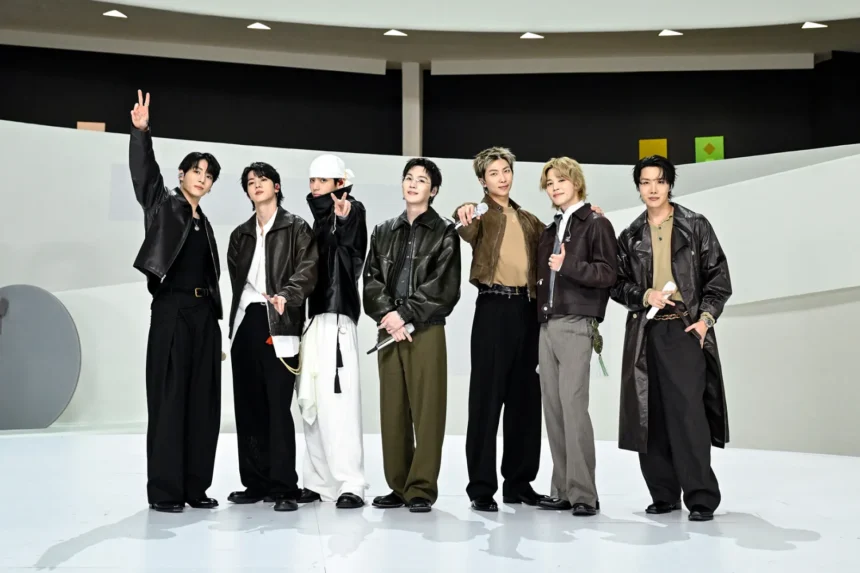
Take the recent wave of solo activity from BTS members. Where a decade ago a boy band member going solo might have felt like a side project, today it functions as its own full-scale campaign, complete with black-and-white portraiture, cryptic single-word captions, and a European tour stop that fans treat as a pilgrimage. That same instinct for atmosphere over explanation shows up in girl-group teasers, where a single moonlit clip of a member mid-choreography can generate hundreds of thousands of likes before a single note of the song has been released
The fashion crossover is a part of this story that traditional music coverage often overlooks. Recent industry reporting has pointed to K-pop idols as a reference point for young shoppers across Southeast Asia, with fans replicating tour merchandise, stage outfits, and even airport looks down to the accessory. It becomes a feedback loop: the music drives the aesthetic, the aesthetic drives retail behavior, and retail behavior extends the song’s cultural footprint long after it leaves the charts.
Meanwhile, the genre’s commercial muscle keeps showing up in unexpected places on the U.S. charts, with tracks re-entering national tallies well after their initial release window, a testament to fan bases that stream with the discipline of a coordinated campaign rather than casual listening habits. As Western labels study the K-pop playbook, expect more crossover collaborations, more idol-fronted fashion lines, and more tours built less like concerts and more like reunions.