

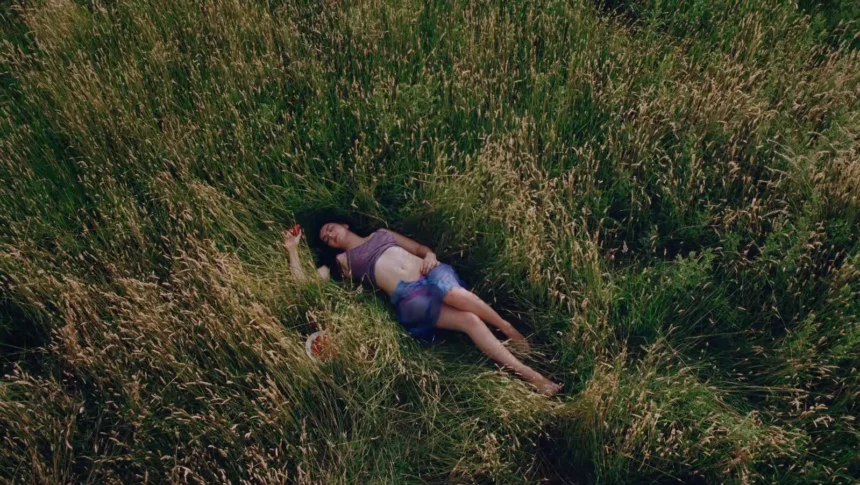
Charli XCX doesn’t just release singles anymore — she releases campaigns. “Wink Wink,” which dropped June 26 as the third and reportedly final single before her album “Music, Fashion, Film,” isn’t just another song drop. It’s the latest data point in a rollout that’s been quietly stacking up some of the most aggressive numbers of any pop campaign this year, and the stats behind it tell a story the song alone doesn’t.
Three Singles, Two B-Sides, One Mystery Collaborator
Before “Wink Wink” even existed publicly, Charli had already released two other singles from the same album — “Rock Music” and “SS26” — and backed each one with an exclusive B-side available only on Instagram or a limited 7-inch vinyl. That’s five pieces of music tied to one album cycle before the album itself has dropped, a release cadence most artists save for an entire era, not a single rollout.
Then there’s the collaborator she still hasn’t named. On French talk show “Quotidien,” Charli told host Yann Barthès that fans could have “1,000 chances” and still not guess who’s featured on “Music, Fashion, Film.” That kind of dare, issued on international television, is its own kind of marketing math — it doesn’t move a single stream, but it guarantees the internet keeps talking until the album confirms it.
The Tour Numbers Are Where This Gets Serious
“Wink Wink” isn’t dropping into a vacuum — it’s dropping directly ahead of a tour that spans two continents and stretches across roughly four months. Charli’s “Music, Fashion, Film” run includes festival stops at Reading, Leeds, and Austin City Limits (twice), plus arena dates in cities including Brooklyn, Toronto, Boston, Washington D.C., and a two-night stand at the Kia Forum in Los Angeles. She’ll debut the album live at Lollapalooza on July 31, exactly one week after the record’s official release — meaning fans get a brand-new album and a flagship festival performance within the same seven-day window.
That kind of scheduling isn’t accidental. Landing a major festival debut a week after an album drop is a deliberate engagement play: it keeps the news cycle running well past release day and gives casual listeners a reason to actually listen before showing up to watch her play it live.
A Two-Minute Song Doing a Lot of Heavy Lifting
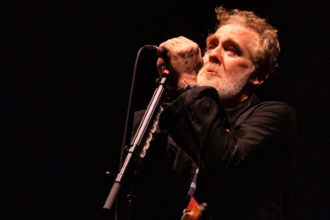
For a track that clocks in at just over two minutes, “Wink Wink” is carrying a disproportionate amount of narrative weight. It’s positioned as the song that closes the loop on three previous singles, sets up an album cover built around three completely unrelated cultural icons — Marc Jacobs, Martin Scorsese, and John Cale, photographed together for the first time — and primes a tour routing that hits both U.S. coasts and the UK festival circuit in the same season.
Charli has been candid about the calculation behind all of it. Speaking about her own process, she’s described feeling “relatively free” creatively because she understands the rhythms of pop culture well enough to work inside them rather than against them. That’s a notably strategic thing for an artist to say about a song built around a joke — it suggests the joke and the math behind the rollout are doing the same job.
Why the Numbers Matter More Than the Punchline
The lyric that’s getting clipped into every headline — Charli’s deadpan confession about her past, walked back instantly with a wink — is the hook that gets people to click. But the real story is what’s stacked behind it: a five-song release sequence, an unannounced featured artist generating its own news cycle, and a tour routing engineered to convert album-week attention into a four-month live circuit. “Wink Wink” works as a punchline. It works even better as the centerpiece of a rollout built like a spreadsheet.
With “Music, Fashion, Film” landing July 24 and the Lollapalooza debut following one week later, the next real test isn’t whether the song is funny. It’s whether the math behind it converts — streams into ticket sales, ticket sales into an album that lives up to a rollout this deliberately engineered.